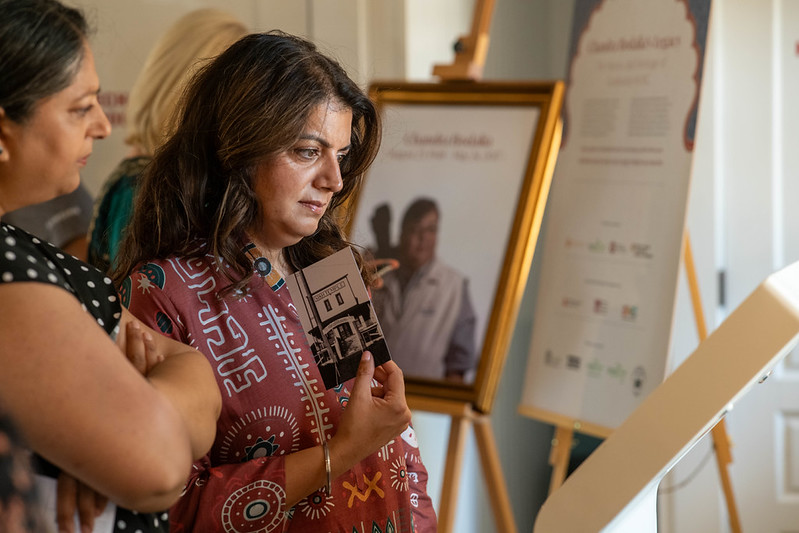
(July 2025 – June 2026)
Chandra Bodalia’s Legacy: The History and Heritage of Gurdwara’s in B.C
(July 2025 – June 2026)
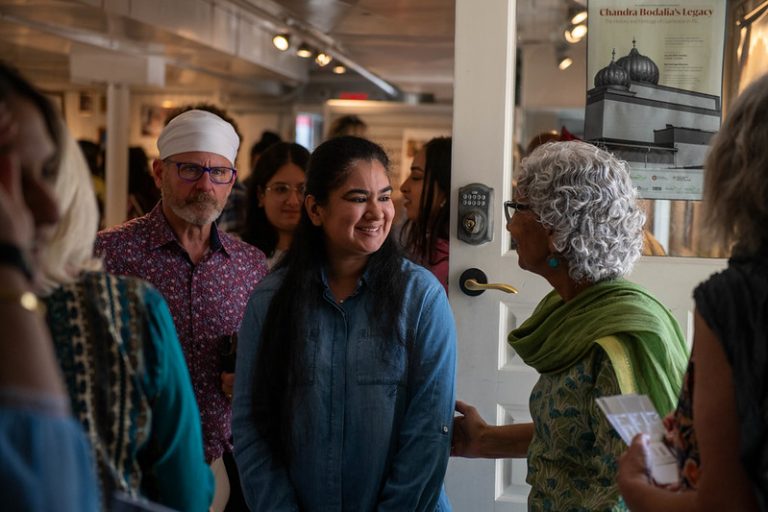
Chandra Bodalia’s Legacy
The History and Heritage of Gurdwara’s in B.C
July 2025 - June 2026
We are grateful to the Bodalia family for entrusting us with his life’s work.
Chandra Bodalia at a Nagar Kirtan in B.C.
Chandra Bodalia fonds, South Asian Canadian Digital Archive
A life through the lens
The 866 West 2nd Avenue Gurdwara in Kitsilano holds a landmark place in Canadian Sikh history as the country’s first purpose-built gurdwara. Constructed in 1908 for the Khalsa Diwan Society and designed by William Henry Archer, it served a community of roughly 2,000 people for over six decades.
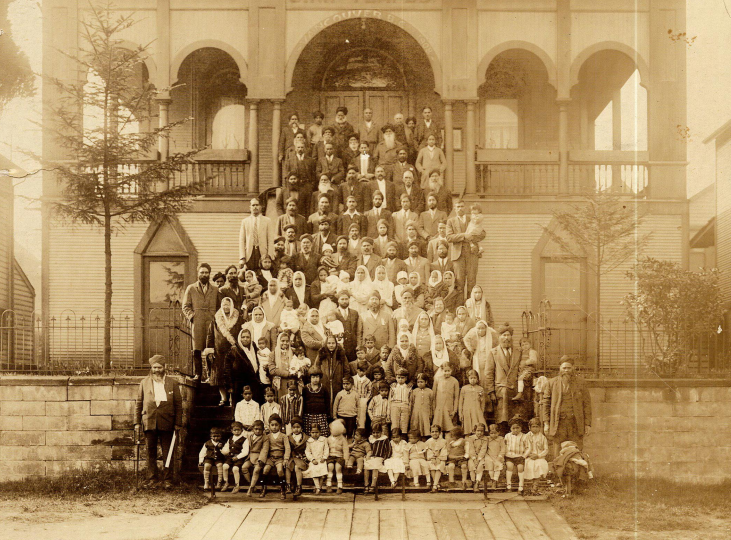
Sangat outside 2nd Avenue Gurdwara, Kitsilano, Vancouver
Komagata Maru: Continuing The Journey Exhibit Collection, South Asian Canadian Digital Archive
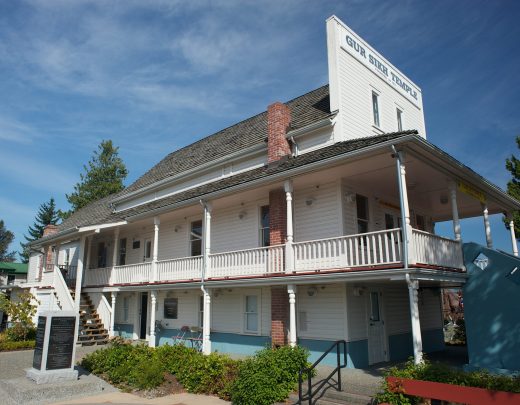
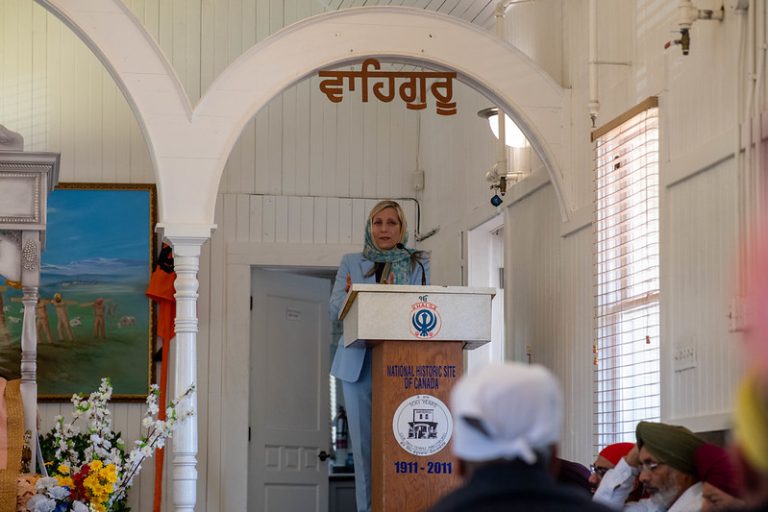
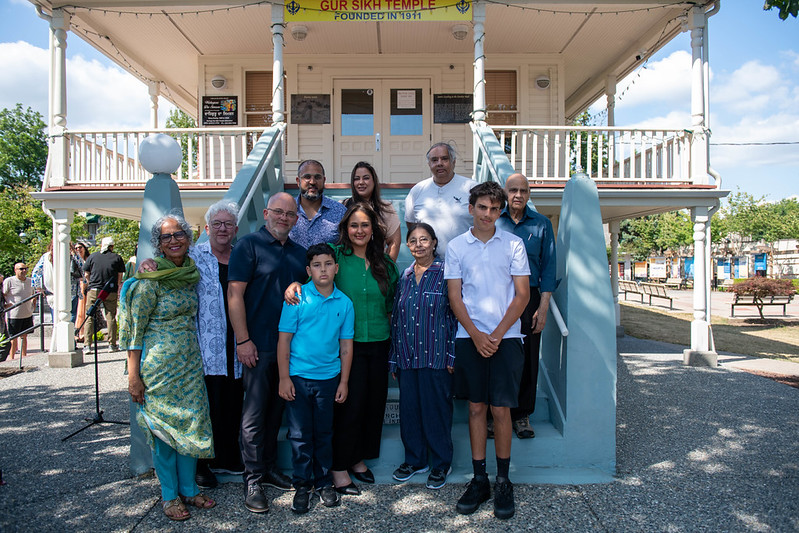
National Historic Site Gur Sikh Temple, Abbotsford
Gur Sikh Temple 01″ by Jacobsimmonds, licensed under CC BY-SA 3.0. Source: Wikimedia Commons

The Golden Gurdwara
The first Sikh immigrants in Golden, B.C. came to work at the Columbia River Lumber Company, and it was there that Canada’s first Sikh gurdwara was established in 1905.
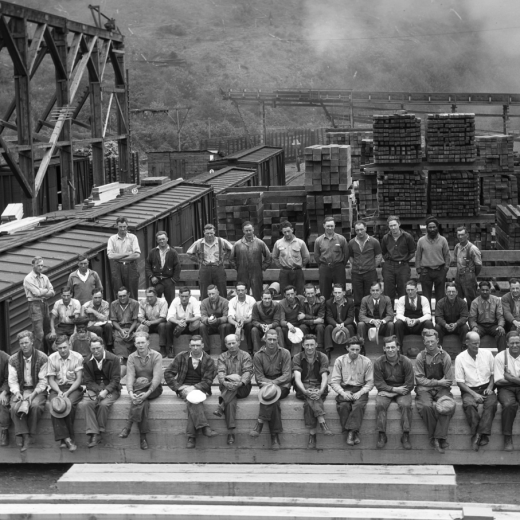
Group photo of lumber mill workers at Industrial Timber Mills Ltd, Youbou, B.C.
Wilmer Gold collection, South Asian Canadian Digital Archive
The Hillcrest Gurdwara
The Hillcrest Gurdwara, built in 1935 was located on the Sahtlam Mill near Duncan BC in the middle of housing for mill workers, making it a social, cultural and religious centre for Sikhs.
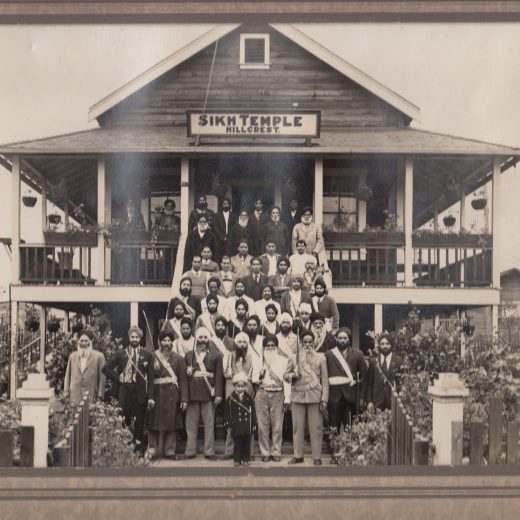
Hillcrest Gurdwara, Sahtlam Mill near Duncan B.C.
Paldi Sikh Temple
Nestled between Duncan and Lake Cowichan on Vancouver Island, Paldi is a small but historically rich community that embodies the Sikh rural experience in British Columbia.
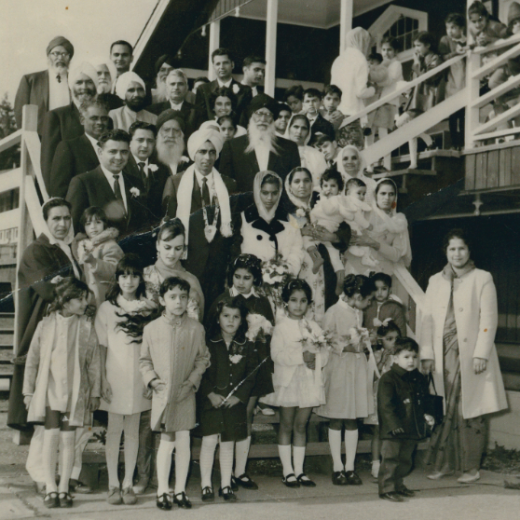
Front view of the original Paldi Sikh Temple.
Joan Mayo Fonds, South Asian Canadian Digital Archive
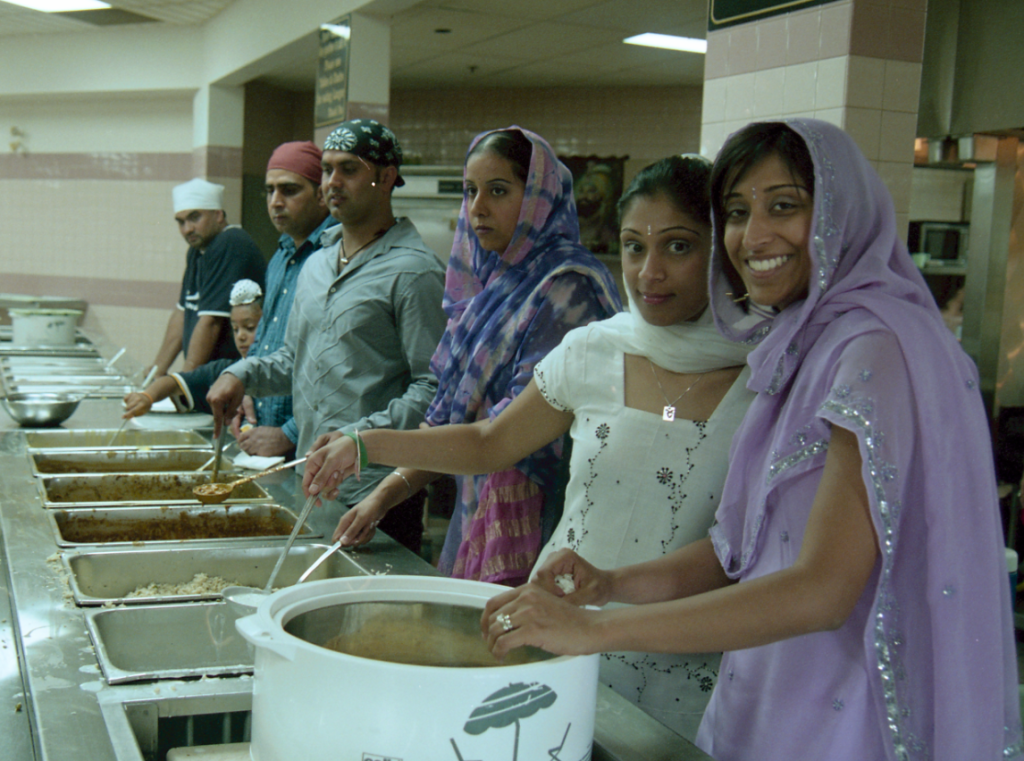
Langar Seva in the Gurdwara Langar Hall
Chandra Bodalia fonds, South Asian Canadian Digital Archive
Equality, Sangat & Faith
Langar, the communal meal served in Sikh gurdwaras worldwide, is a cornerstone of the Sikh faith rooted in the teachings of Guru Nanak Dev Ji. Open to all regardless of race, gender, class, or caste, it embodies the principles of equality, generosity, and selfless service. Prepared by volunteers and served vegetarian, langar nourishes both body and spirit and remains inseparable from the gurdwara itself, where every visitor who comes to worship is always welcomed at the table.
One Family,
Endless Strength
The Hundal Family
Hakam Singh Hundal arrived in B.C. in 1906, and after a two-year battle, secured his family’s entry into Canada via an Act of Grace in 1913.
His son Ikball, despite earning a Mechanical Engineering degree in 1925, was barred from his profession due to racial discrimination. Refusing to accept injustice, he joined the Ghadar Party and returned to India to fight for independence. He returned to Canada in 1955, but tragically lost his life to random violence in 1965.
The Hundal family’s story is one of courage, sacrifice, and an unwavering commitment to justice.
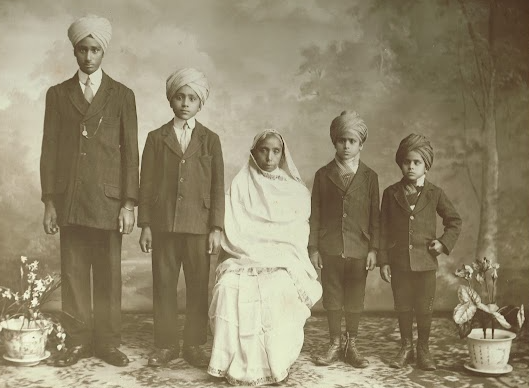
The Hundal family
Paul Hundal Family fonds, South Asian Canadian Digital Archive
Gurdwaras, form and function, history
Across British Columbia’s Sikh communities established gurdwaras as vital centers of worship and community life in small towns.
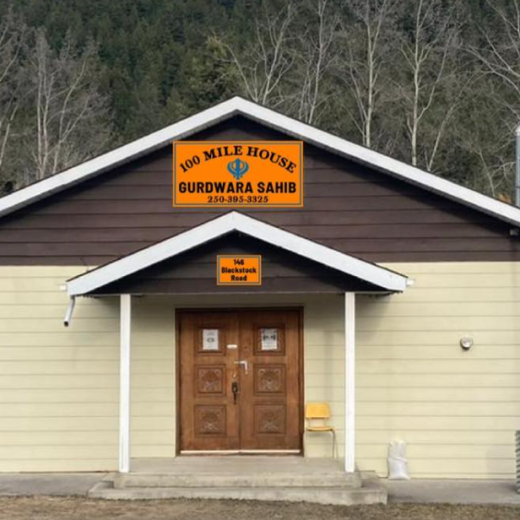
100 Mile House Gurdwara, B.C.
Early gurdwaras reflected western
aesthetics before moving to traditional Sikh architectural features like domes and arches.
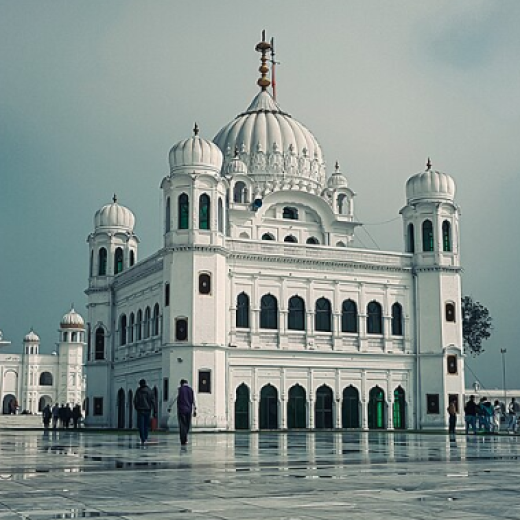
Gurdwara Sri Darbar Sahib, Kartarpur, Pakistan
Shahzaid Damn Cruze, licensed under CCBY-SA 4.0. Source Wikimedia Commons
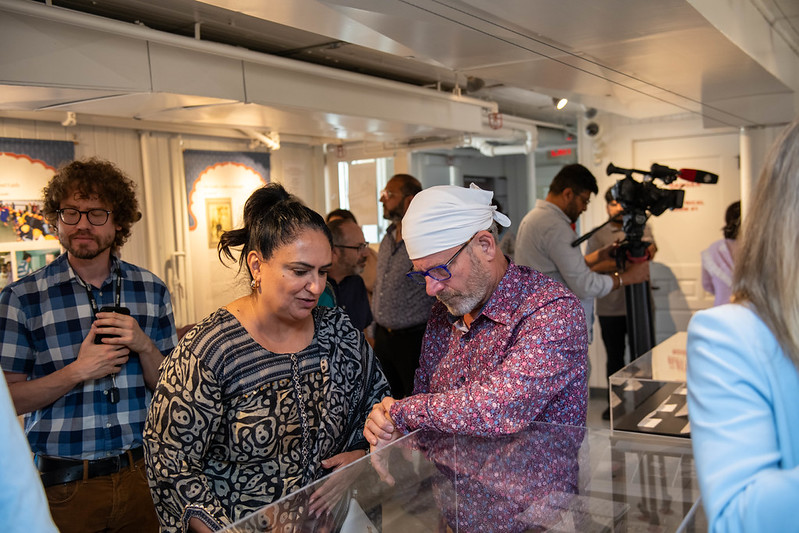
Exhibit presented B.C.’s legendary gurdwaras in small towns and large cities as sites of memory for Sikhs, providing historic backdrop of community living.
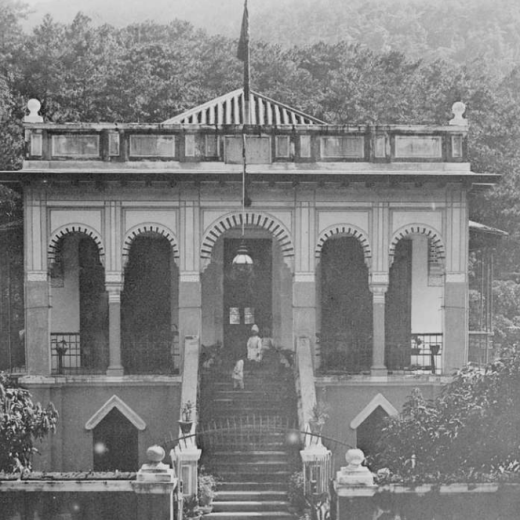
Exterior of Sri Guru Singh Sabha Gurdwara, Hong Kong
Original Sri Guru Singh Sabha gurdwara in Hong Kong, ca.1901–1930s.” Public domain. Source: Wikimedia Commons
Read (Ms.) Nirmal Gerow’s story
of living in small town Gurdwara